Home / Journal / How to make calendula salve at home
Remedies
How to make calendula salve at home
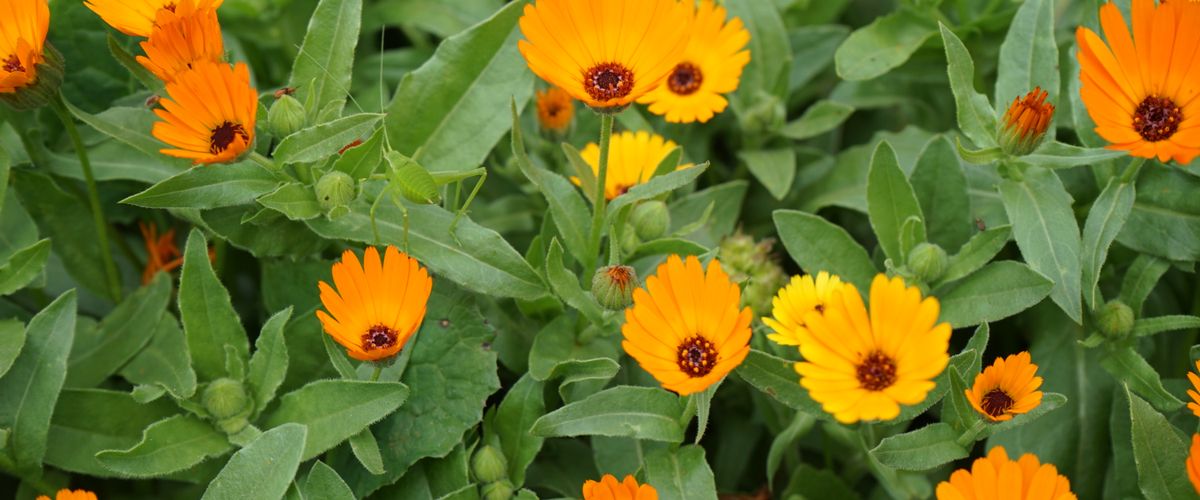
I keep a tin of calendula salve on the kitchen counter, not in a cabinet. Dry hands from washing dishes, a minor cut from a careless moment, cracked knuckles in winter. For all of these I reach for the salve before anything else, and I have been making my own for four years.
Calendula (Calendula officinalis) is the orange garden marigold common in flower beds. Not the African marigold (Tagetes), which is a different genus. The garden calendula with dense orange petals and a slightly sticky feel when handled.
Why it works
Triterpene saponins, flavonoids, and polysaccharides in calendula reduce inflammation, inhibit a range of bacteria and fungi, and promote wound healing by stimulating fibroblast proliferation. A 2004 trial in the Journal of Clinical Oncology compared calendula cream to petroleum jelly (an established barrier, not a placebo) for preventing acute dermatitis in breast cancer patients undergoing radiation. The calendula group had significantly less acute dermatitis.
Making the infused oil
Fill a jar about two-thirds with dried calendula flowers. Cover completely with olive oil. Two options: cold infusion in a sunny window for four to six weeks shaking daily, or slow heat in a slow cooker on lowest setting for six to eight hours. Strain. Use dried flowers only — fresh flowers have too much water and cause the oil to go rancid.
Making the salve
Melt beeswax and combine with infused oil. Ratios: 0.75 oz beeswax per cup for soft ointment, 1 oz for standard salve, 1.25 oz for firm. Test by putting a small amount on a cold surface. Adjust wax or oil as needed. Pour into tins while liquid. Let set undisturbed. Label. Shelf life: one to two years at room temperature. Calendula grows easily from seed; one plant produces more flowers than most people can use in a season.
Other calendula preparations
The salve is most useful for most people, but it is not the only option. A calendula tea applied as a compress works well for inflamed skin, minor sunburn, and mild eye inflammation (diluted, thoroughly strained eyewash). Calendula tincture diluted with water makes a wound wash with antimicrobial support. The infused oil without beeswax, used as a skin oil, suits very dry or mature skin that needs intensive moisture. For internal use, calendula tea is a gentle digestive herb that soothes the mucous membranes of the digestive tract. One tablespoon of dried flowers per cup, steeped ten minutes.
Carrier oil comparison
Olive oil is traditional: keeps well (one to two years), has mild skin-healing properties, but is heavier and more scented. Jojoba is technically a wax and the most shelf-stable option (does not go rancid). Lighter texture, closest to the skin's own sebum. Sweet almond oil is a good middle option: lighter than olive, mild scent. Add a few drops of vitamin E oil to any carrier to extend shelf life through antioxidant action. This is worth doing regardless of which oil you choose.
Frequently asked questions
Can calendula salve go on the face? Yes. Calendula is one of the gentler herbs for facial skin. The salve formulation is too thick for daily use for most people but works well as an overnight treatment for dry patches, chapped lips, and irritated skin around the nose and mouth.
Is calendula the same as marigold? Calendula officinalis is the pot marigold, distinct from African marigold (Tagetes). Many garden marigolds are Tagetes, which have undocumented and different chemistry. When buying flowers for medicine, confirm you have Calendula officinalis. See also the guide on herbal supplement quality for how to evaluate suppliers.
Want the complete herbal guide?
Hundreds of herb profiles, tested remedy recipes, dosage tables, and seasonal guides — all in one place.
Get the Herbal Guide →