Home / Journal / Growing medicinal herbs: what four years taught me
Growing
Growing medicinal herbs: what four years taught me
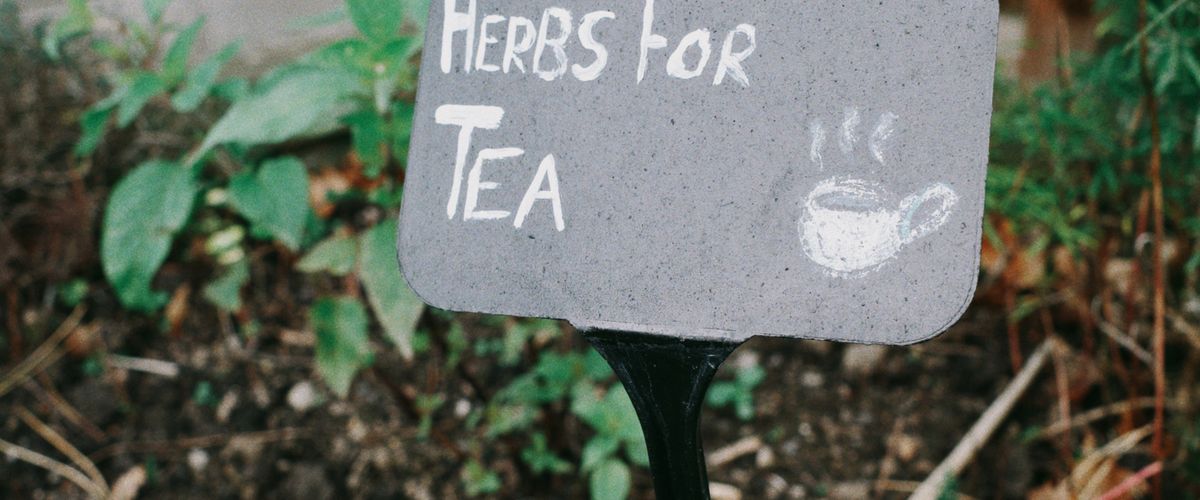
I started growing medicinal herbs the year I realized I was spending more on dried herbs than groceries, with no reliable way to evaluate quality. Some bags from suppliers were excellent. Some tasted like dried grass. Growing your own solves this completely: you know the plant, the harvest date, and the drying method.
Start with three, not twelve
The first-year mistake is planting too many things. Start with three plants you already buy and use. Suggested starting trio: Calendula (grows from seed easily, flowers all summer, one plant produces more medicine than most people can use). Tulsi (needs heat, thrives in a pot near a south-facing window or outside after last frost). Peppermint (virtually impossible to kill, spreads aggressively — grow in a container).
Harvest timing
Most leafy herbs reach peak potency just before flowering, when volatile oil content is highest. Once flowering and setting seed, potency drops rapidly. Harvest on a dry morning after dew has dried but before midday heat. For calendula: harvest every three to four days when fully open rather than heavily once a month — continuous harvesting produces far more total flower.
The one-third rule: Never take more than one-third of a plant at once. It allows recovery and continued production through the season.
Drying and storage
The goal: fast drying without heat. Heat drives off volatile oils. Bundle small amounts loosely (not tight — tight bundles trap moisture) and hang upside down in a warm, dry, ventilated space out of direct sun. Seven to ten days for most leafy herbs. Store in sealed glass jars, labeled with plant name, plant part, and harvest date. Most dried herbs maintain potency for one to two years. Do not store in plastic bags long-term.
A seasonal growing calendar
Late winter (indoors): Start tulsi from seed six to eight weeks before last frost. It needs warmth to germinate. Early spring: Nettles are already up. Plant out calendula and chamomile seeds directly. Both are frost-tolerant. Late spring: Transplant tulsi outdoors after last frost. Divide established lemon balm and peppermint. Summer: Peak harvest season. Calendula flowers every few days. Harvest tulsi regularly before flowering. Make infused oils for autumn salve production. Autumn: Harvest roots: dandelion, echinacea (three-year-old plants). Collect seeds from chamomile and calendula for next year. Cut back lemon balm and peppermint. Dry the last of the summer harvest.
Soil and location
Different herbs have genuinely different soil preferences. Lavender, thyme, and rosemary want lean, well-drained soil and full sun. Rich soil causes them to grow lush but have lower aromatic oil content. Nettle, lemon balm, and chamomile want richer soil and tolerate part shade. Calendula is the most forgiving. Getting location right reduces maintenance considerably and produces better quality plant material.
Frequently asked questions
How long before a medicinal herb garden is productive? First year: mostly establishment. Second year: first meaningful harvests from perennials. Third year: a functioning system producing more herb than you can use. Annual herbs (calendula, chamomile, tulsi) produce in year one.
What if I have no outdoor space? A south-facing windowsill can grow tulsi, lemon balm, and peppermint year-round. Dried herbs from quality suppliers are a fully adequate substitute. See buying quality herbs for sourcing guidance.
References
- Herbs at a Glance — science-based summaries of popular herbs — National Center for Complementary and Integrative Health (NIH).
Want the complete herbal guide?
Hundreds of herb profiles, tested remedy recipes, dosage tables, and seasonal guides — all in one place.
Get the Herbal Guide →